I’ve been exploring the field
of emotional intelligence (EI) for a while now but still ask myself fundamental
questions such as—what do I mean by Emotional Intelligence? I know some
standard answers. I can spout out skills and competencies to be taught or
assessed. Still, deeper questions linger.
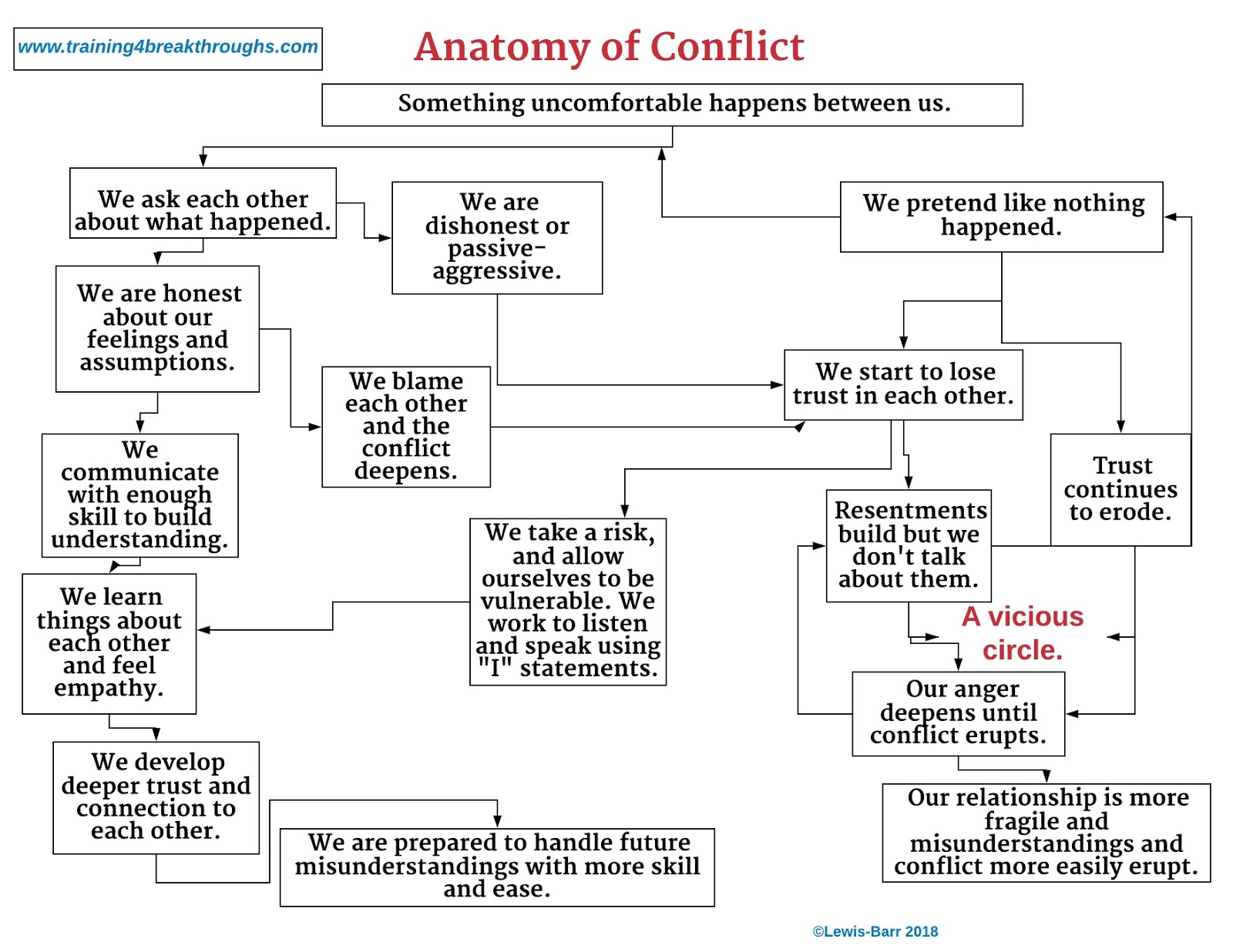
My husband, Rick, is struggling with an angry colleague at work. “Jim” recently
raised his voice at Rick, saying, “I’ll get to it!” While the words themselves
were not abusive,
Jim’s angry delivery upset Rick. My husband walked away, enraged and confused.
As we talked about the episode, I scoured my mind for helpful exercises. Rick
could examine his thoughts and see how they led him into a habitual pattern of
withdrawal from confrontations. He could look at his own “reaction cycle” and
practice other responses to the often-unpredictable Jim.
We both agreed that Rick needed to stand up for himself more. Ideally, he could
strongly but calmly let Jim know that his behavior was unacceptable. But,
knowing Jim, and knowing the often brutal company culture, would this work or
even be the best option?
Rick could fight fire with fire. He could throw back strong language and a
fierce delivery. Would this be a more emotionally intelligent action under the
circumstances? There are no clear-cut answers in this work (one reason I love
it so much). Brutal self-honesty is necessary to help discern what is ethically
responsible and emotionally intelligent. It is the work of a lifetime.
The good news is that we can become more "emotionally intelligent" over time. Future posts will give ideas on how.
© 2018 Laura Lewis-Barr all rights reserved


 1. Thinking of Ghosts